
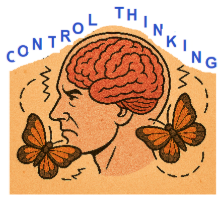
Is it a question or a suggestion? Is it a version of mind management? Is it the name of a nascent company? No, it is none of these. Whenever ‘Control’ is used as a qualifier it implies discipline, management or order of some sort. It needs careful handling. Organisations with the word Control in their name often spend an inordinate amount of time wondering if it helps or hinders them. They would do better to attend to what they are selling. Tabasco wasn’t an instinctively appetising name but it has cornered a juicy drop of the spice market. Any name is acceptable if what it describes works. Just imagine being called Donald Chump!
Cadavers have been found to have bits of plastic floating about in their now defunct brains. Reading for pleasure is said to have declined 40% in recent years in the United States. There’s quite a lot of chaos going on. Listening to people’s descriptions of problems and opportunities I am gobsmacked by the lack of lucidity and the garbage that is now talked. Business meetings in particular seem to attract jargon of the most incoherent kind.
In a recent conference on International Geopolitical affairs there were six speakers, all well reputed and widely known. One spoke excellent sense. The other five talked rubbish – or what I call “apple pie, motherhood and pre-marital chastity”. We all appreciated the advice but we also live in the real world.
Thoughts are more like moths than butterflies. They snuggle in among the underbelly of the mind and nibble away at ideas regardless of whether they are well founded or threadbare. That’s why we need to control them. Left to their own devices they will become a confetti chase of clashing cries for help. Like expensive weddings they will end up in the vacuum cleaner. I’ve suggested how to generate thoughts. Controlling them is more difficult. And should you?
Being creative depends on a certain randomness. If you control it will it eliminate your developing creativity? The armed services have always had a problem with disciplined thought. They are trained to obey. Yet increasingly in battles over the last century they have had to use common sense – often a misnomer for creativity – to counter the enemy’s tactical aggression. To do this without losing sight of the strategy has sometimes proved difficult. For example, in Gaza, Ukraine, Syria and elsewhere..
So to control thinking we must know what our end purpose is, and rather more clearly than simply victory. But even being clear about victory would solve some of the world’s wars now being waged. If this seems a long way from control thinking, it isn’t. The battles we wage in business and in domestic life require just as much clarity as any military engagement. And the way to keep focused while solving them is clear purpose and creative tactics.
It’s getting them working together that brings success.
Don’t lose sight of the destination.
Do dodge the drones you meet on the way.
Good morning
John Bittleston
What do you think? We’d love to know at [email protected].
22 August 2025